Undergraduate Program in
Electrical and Electronics Engineering
What is Electrical and Electronics Engineering?
The Department of Electrical and Electronics Engineering (EEE) adopts effective teaching–learning practices, including lectures, ICT-enabled instruction, project-based learning, hands-on laboratory work and the use of advanced tools such as MATLAB/Simulink.
These approaches foster experiential learning, deepen conceptual understanding and improve industry readiness.
Consequently, students acquire a wide range of technical skills along with specialized knowledge in areas such as power electronics, control systems, power systems, and electric vehicles etc.

Why Study Electrical and Electronics Engineering at NGPiTech
The Electrical and Electronics Engineering at NGPI Tech offers industry-focused specializations aligned with modern energy trends, helping students gain expertise in smart and sustainable technologies. The program emphasizes real-time project experience through strong industry collaborations, supported by well-equipped labs in circuits, power electronics, control systems, electrical machines, power systems, and electric vehicles for hands-on learning. It also provides strong placement support, valuable professional networking opportunities, and encourages research, innovation, and patent development.
Companies
Success
Internships
Filed
Industry MoUs

The Electrical and Electronics Engineering Department at Dr. N.G.P. Institute of Technology provided me with the perfect blend of theoretical knowledge and practical skills.”
LAKSHANA V|EEE | 2021-2025
Junior Software Engineer, Aggregate Intelligence (Coimbatore)

My journey at the Electrical and Electronics Engineering Department of Dr. N.G.P. Institute of Technology laid a strong foundation in analytical thinking and core engineering principles.”
KARUNYA K|EEE | 2018-2022
Senior Embedded Software Engineer, VVDN Technologies (Chennai)

Studying at the Electrical and Electronics Engineering Department of Dr. N.G.P. Institute of Technology was a transformative experience.”
SABARINATHAN SANNASI|EEE | 2012-2016
Product Technical Leader, Research and Development, Valeo India Private Limited (Chennai)
What you will study
- Electric Vehicle Technology
- Smart Grid
- Industrial Internet of Things
- Vehicle to Grid Communication
- Drone Technology
- Robotics and Control
- Embedded control of Electric Drives
- Hybrid Energy Technology
- Artificial Intelligence
- Renewable Energy Systems
- Battery Technology
- Energy Management and Audit
- Python Programming and Data Structures
Department Information's
About Department
The Department of Electrical and Electronics Engineering was established in 2007 and is affiliated with Anna University in Chennai, Tamil Nadu, India. The department provides a B.E. Electrical and Electronics Engineering undergraduate degree, a M.E. Power Electronics and Drives postgraduate programme, and a Ph.D programme in Electrical Engineering. This deepens the students' understanding of engineering concepts and also provides them with an exposure to the kind of work that is expected from the students in Industry. The department has also organised many guest lecturers with eminent people from diversified and reputed organisations like NTPC, Power Grid, Steel Plant, CPRI, NSTL, ABB, etc. as well as from premier institutions like IISc, IITs and NITs to enrich its students and faculty with contemporary developments in the field. Apart from teaching, every faculty member is involved in publishing and presenting papers in the National and International journals and conferences.
Vision
To produce highly competent electrical and electronics engineers to meet the technological needs of the society.
Mission
The stated Vision of the Department will be achieved by
- ▸ MD1: Imparting innovative teaching and learning methodologies.
- ▸ MD2: Nurturing faculty and students to engage in research and development activities through industry alliances and partnership.
- ▸ MD3: Providing conducive environment for skill enrichment through well equipped laboratories and academic support system.
- ▸ MD4: Inculcating ethical values and leadership qualities among the students for societal benefits.
Short Term Goals
- ▸ Continuous up-gradation of Laboratories.
- ▸ Improving overall pass-percentage in academics
- ▸ To increase the usage of modern techniques in teaching and learning process.
- ▸ To conduct summer and winter schools for faculty members and short-term courses for technicians to widen their knowledge base and deepen their understanding of the latest trends and developments in field of Electrical and Electronics Engineering.
- ▸ To place more number of students in core and software companies
- ▸ To organize more number of career development courses like value added course, conference, workshop, seminars, lecture series, industry visit etc.
- ▸ To encourage the students to participate in extracurricular and co-curricular activities.
- ▸ To encourage Industry participation in teaching and research.
- ▸ To establish IAEMP, IE and ISRD student chapters.
- ▸ Setting up of Consultancy cell on Renewable Energy.
Long Term Goals
- ▸ To augment students taking competitive exams.
- ▸ To start more P.G programs in the department of Electrical Engineering.
- ▸ To establish State of the art research facilities in the department.
- ▸ To encourage faculty members to take up at least one R & D and consultancy work.
- ▸ To create better entrepreneurs in the area of Electrical and Electronics Engineering.
- ▸ To sign MoU's with various Multi National Companies.
- ▸ To establish Innovation Centre to promote new ideas and create innovative products.
State Program Educational Objectives (PEOs)
The graduates of Electrical and Electronics Engineering programme will
- ▸PEO 1: Practice as professional engineer, manager and leader with ethical values in electrical and electronics engineering or related disciplines.
- ▸PEO 2: Design and analyze real world problems in the field of electrical and electronics engineering using modern tools.
- ▸PEO 3: Pursue lifelong learning by engaging in professional activities and higher education.
After the successful completion of B.E program in Electrical and Electronics Engineering, students will be able to:
- ▸PO1: Engineering Knowledge: Apply the knowledge of mathematics, science, engineering fundamentals, and an engineering specialization to the solution of complex engineering problems.
- ▸PO2: Problem Analysis: Identify, formulate, review research literature, and analyze complex engineering problems reaching substantiated conclusions using first principles of mathematics, natural sciences and engineering sciences.
- ▸PO3: Design / Development of solutions: Design solutions for complex engineering problems and design system components or processes that meet the specified needs with appropriate consideration for the public health and safety, and the cultural, societal, and environmental considerations.
- ▸PO4: Conduct investigations of complex problems: Use research-based knowledge and research methods including design of experiments, analysis and interpretation of data, and synthesis of the information to provide valid conclusions.
- ▸PO5: Modern tool usage: Create, select and apply appropriate techniques, resources, and modern engineering and IT tools including prediction and modeling to complex engineering activities with an understanding of the limitations.
- ▸PO6: The engineer and society: Apply reasoning informed by the contextual knowledge to assess societal, health, legal and cultural issues and the consequent responsibilities relevant to the professional engineering practice.
- ▸PO7: Environment and sustainability: Understand the impact of the professional engineering solutions in societal and environmental contexts and demonstrate the knowledge of and need for sustainable development.
- ▸PO8: Ethics: Apply ethical principles and commit to professional ethics and responsibilities and norms of the engineering practice.
- ▸PO9: Individual and team work: Function effectively as an individual, and as a member or leader in diverse teams, and in multidisciplinary settings.
- ▸PO10: Communication: Communicate effectively in complex engineering activities with the engineering community and with society at large, such as, being able to comprehend and write effective reports and design documentation, make effective presentations, and give and receive clear instructions.
- ▸PO11: Project management and finance: Demonstrate knowledge and understanding of the engineering and management principles and apply these to one's own work, as a member and leader in a team, to manage projects and in multidisciplinary environments.
- ▸PO12: Life-long learning: Recognize the need for, and have the preparation and ability to engage in independent and life-long learning in the broadest context of technological change.
After the successful completion of BE Programme in Electrical and Electronics Engineering, the students will be able to
- ▸PSO1: Analyze and design electrical systems for power generation, transmission, and distribution by applying the principles of electrical machines and modern drives.
- ▸PSO2: Develop electronic circuits, embedded systems and automation solutions for related technical areas like EV and robotics by utilizing knowledge of electronics and control systems.
- ▸PSO3: Create and implement sustainable solutions in the field of electrical and electronics engineering by using modern engineering tools and emerging technologies like IoT, renewable energy systems and smart grids.
Industry Academic Interface of NGPiTECH acts as a bridge to share expertise, facilitate Institute and Industry engagement through internships, projects with industry, seminars, workshops, and student exchange program.
Facilitate Institute and Industry engagement through internships, projects with industry, seminars, workshops, and student exchange program.
Through IAI our state-of-the-art laboratories are powered by:
- ▸NI LabView Academy
- ▸Salzer Innovation Center
- ▸Texas Instruments Center
- ▸e -Yantra -Center for Robotics
The MoU’s have been signed between NGPiTECH and various companies like TESSOLVE, RRT Electro Powwer (P) Limited, SIEMENS, National Instruments, with the sole aim of giving training and placement to the students.
In order to enhance the employability skills and impart in depth knowledge the following emerging areas are imbibed in the curriculum:
- ▸Robotics
- ▸Blockchain
- ▸Internet of Things
- ▸Data Science
- ▸Artificial Intelligence
- ▸Machine Learning
- ▸Cyber Security
- ▸Virtual and Augmented Reality
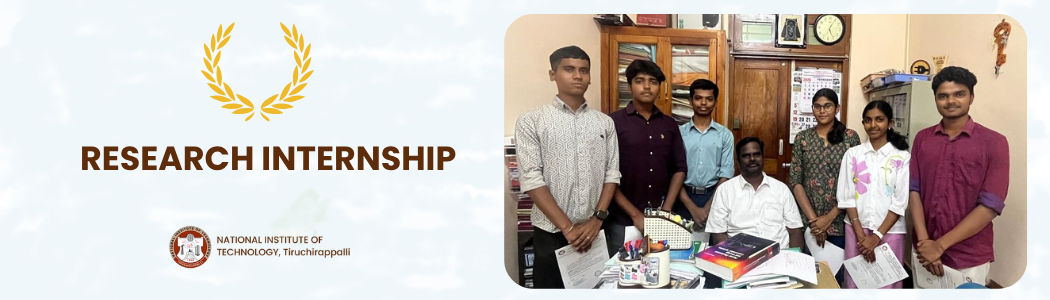
Through CIR we offer research internship programs for our undergraduate students to explore education offered across the world. We proudly hold MoU’s with following international universities:
- ▸Florida Atlantic University, USA.
- ▸University Teknologi Petronas, Malaysia.
- ▸Lincoln University College, Malaysia.
- ▸University of Wisconsin – La Crosse (UWL), USA
To bridge the gap between existing academic curricula and industrial needs, the department provides a variety of career-oriented courses in a variety of related areas. Add-on courses are being conducted during every semester to the students to enhance their knowledge in expedient and placement activities. The following courses are offered for benefits of students:
- ▸MATLAB
- ▸PCB Design
- ▸NI LabVIEW Core 1 and Core 2
- ▸PLC & SCADA
- ▸Electrical CAD
- ▸ARDUINO for Beginners
- ▸PSPICE for Electrical Engineers
- ▸Python Programming & Embedded IoT
- ▸MSP430 Microcontroller Programming for Beginners
Many important research papers are being published in thrust areas, further faculty members have published journals, books and respective publishers are of national and international reputation with very high-quality content.
Also, various funds received from national organization by students and faculty members like AICTE: MODROBS, Research Promotion Scheme (RPS), CSIR, IEEE, ISRO, TNSCST.
The department has a career guidance cell that liaisons with industry and corporate sector. The students are trained in soft skills, communication skills, analytical skills and computer skills to crack competitive exams like GATE, GRE, IELTS, TOEFL, PSUs’, etc.
The department is equipped with digital classrooms to provide ambience for the conduct of seminars, presentations, and ICT-related activities to enhance the teaching-learning process.
Faculty Details
Laboratories
Our department houses state-of-the-art laboratories equipped with the latest hardware and software to provide students with hands-on, practical engineering experience.
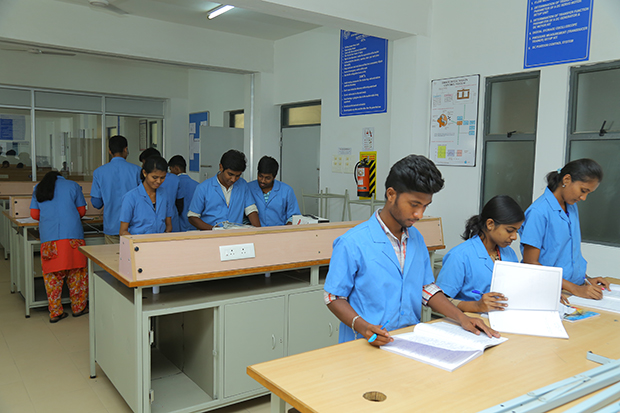
Control System Laboratory
State-of-the-art laboratory equipped with modern industry-standard tools and instruments.
Explore Facility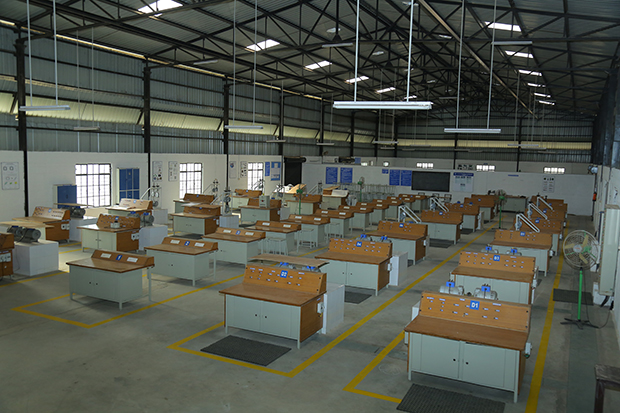
Electrical Machines Laboratory
State-of-the-art laboratory equipped with modern industry-standard tools and instruments.
Explore Facility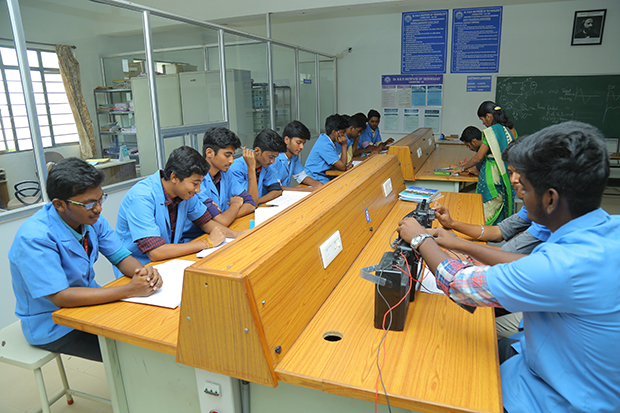
Electronic Devices and Circuits Laboratory
State-of-the-art laboratory equipped with modern industry-standard tools and instruments.
Explore Facility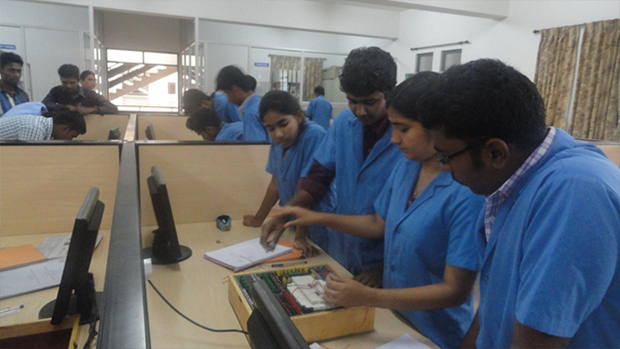
Linear Integrated Circuits Laboratory
State-of-the-art laboratory equipped with modern industry-standard tools and instruments.
Explore Facility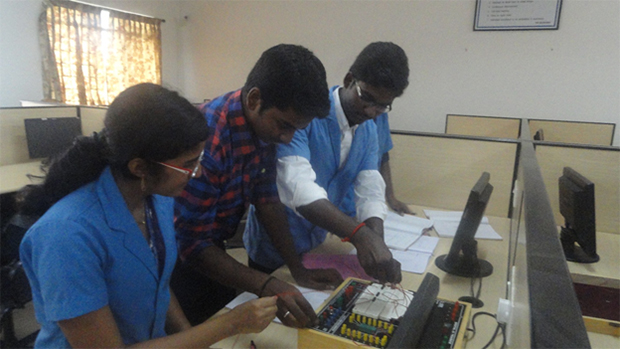
Measurements & Instrumentation Laboratory
State-of-the-art laboratory equipped with modern industry-standard tools and instruments.
Explore Facility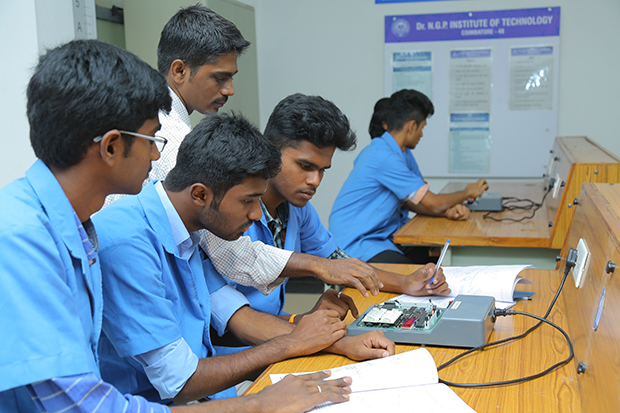
Microprocessors & Microcontrollers Laboratory
State-of-the-art laboratory equipped with modern industry-standard tools and instruments.
Explore Facility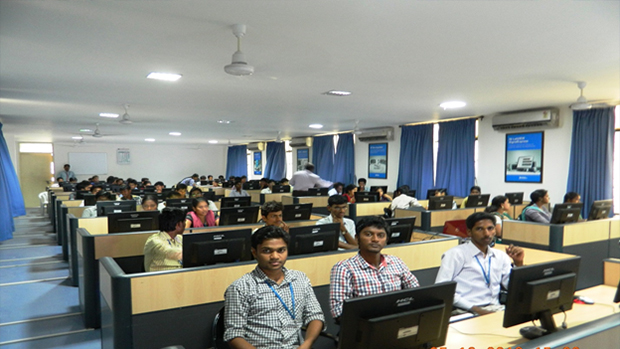
NI LabVIEW Academy
State-of-the-art laboratory equipped with modern industry-standard tools and instruments.
Explore Facility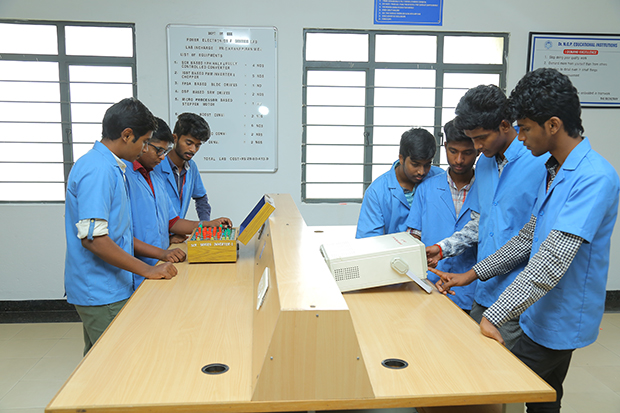
Power Electronics Laboratory
State-of-the-art laboratory equipped with modern industry-standard tools and instruments.
Explore Facility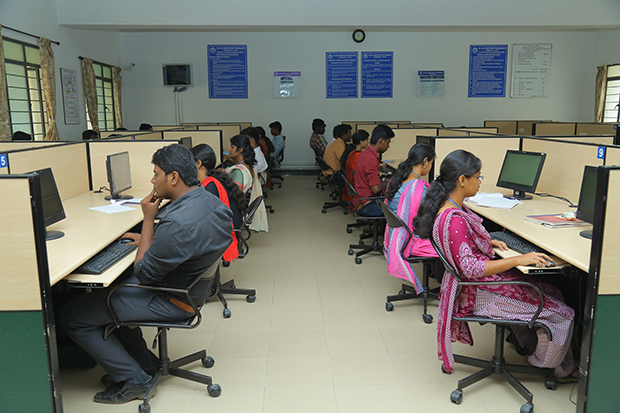
Power Systems Laboratory
State-of-the-art laboratory equipped with modern industry-standard tools and instruments.
Explore Facility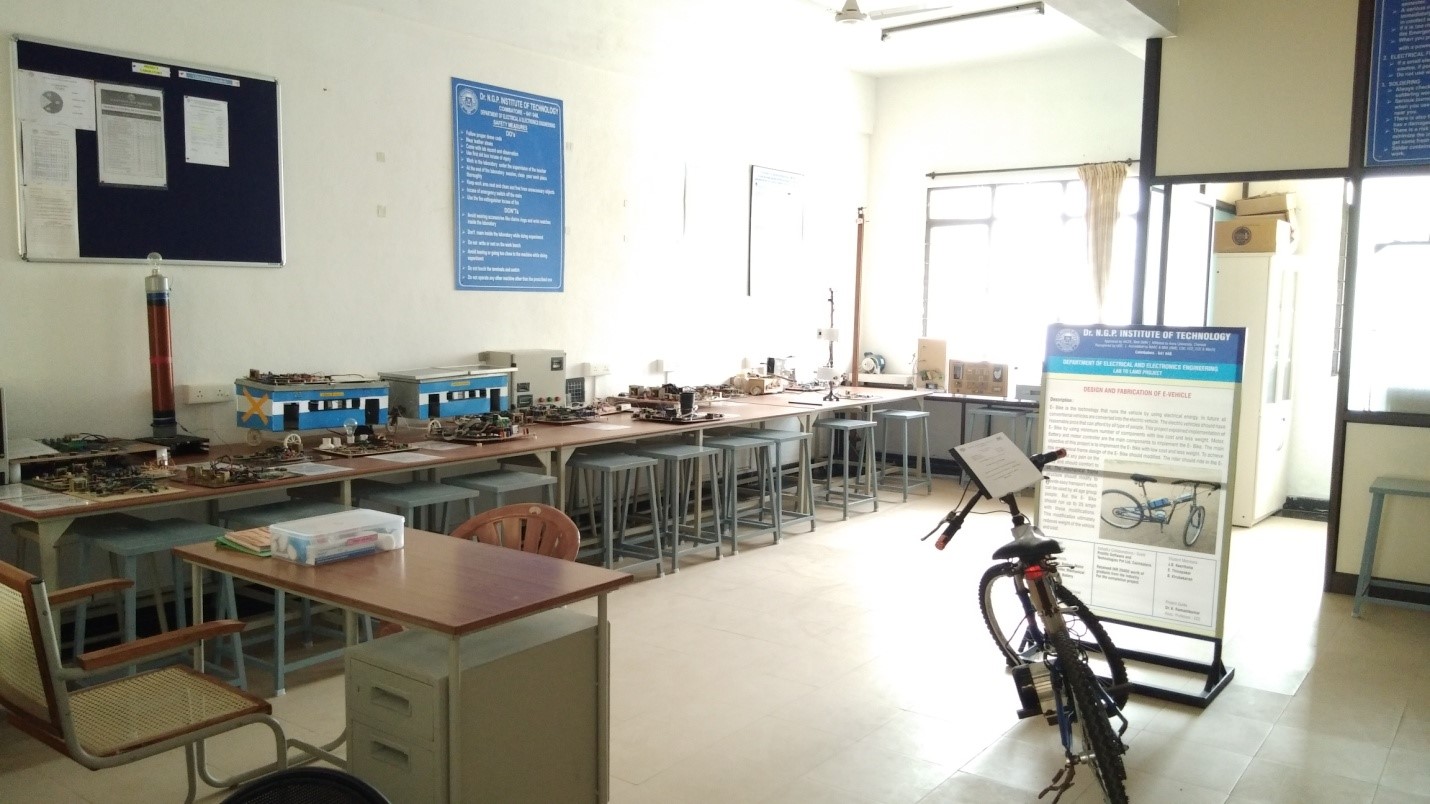
Project Laboratory
State-of-the-art laboratory equipped with modern industry-standard tools and instruments.
Explore Facility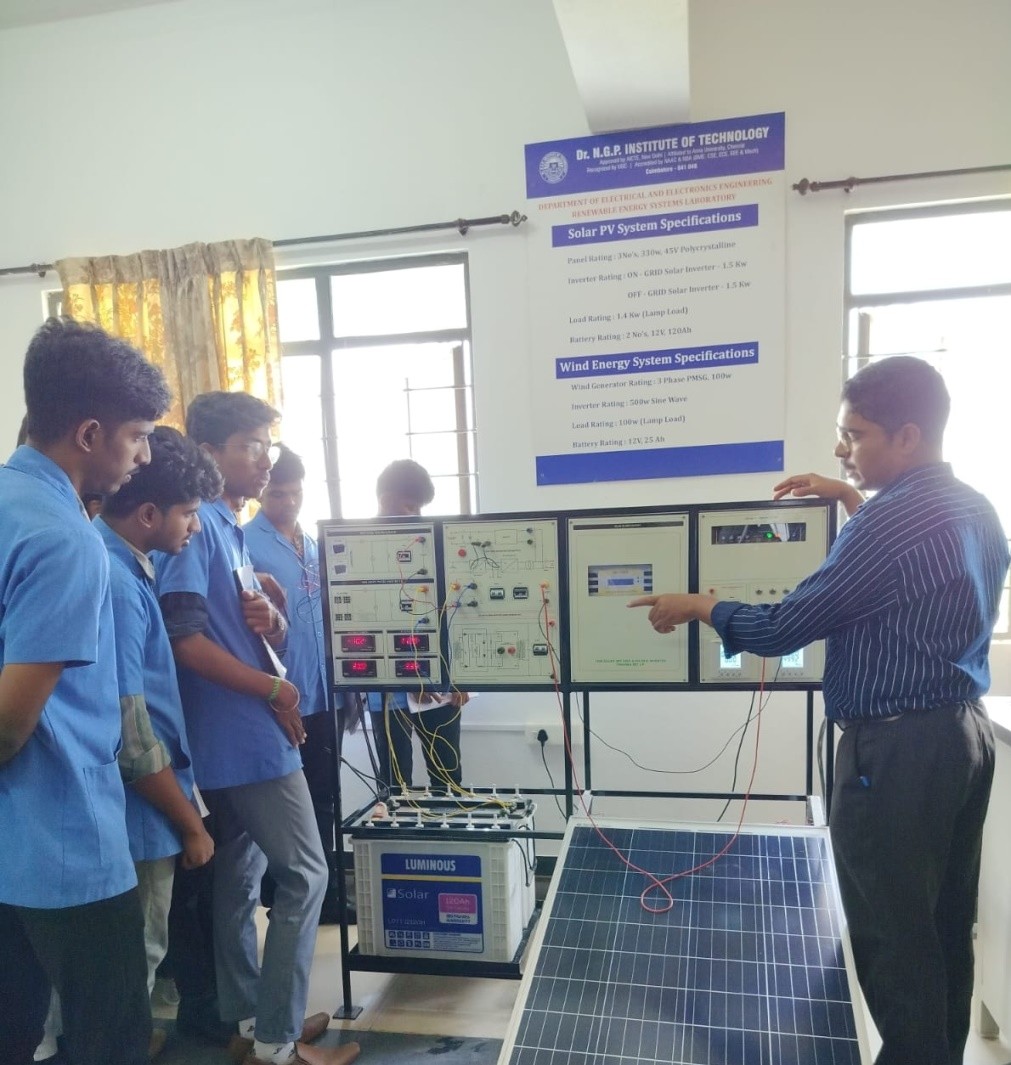
Renewable Energy Laboratory
State-of-the-art laboratory equipped with modern industry-standard tools and instruments.
Explore FacilityPG & Research Programs Offered
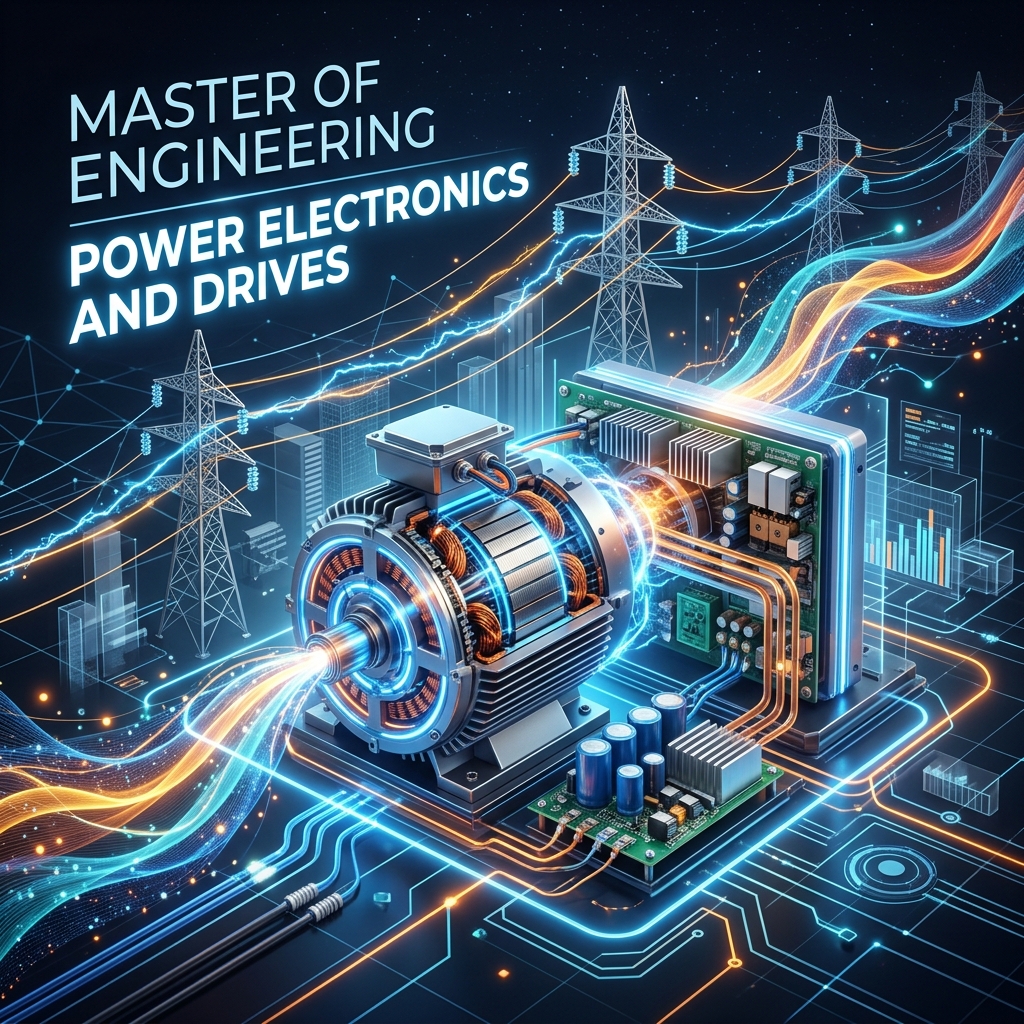
M.E Power Electronics & Drives
Power Electronics and Drives (PED) aims to publish original scientific papers (research and survey papers) on new theoretical developments, novel applications, and case studies regarding advances in power electronics and electrical drive systems.
Know More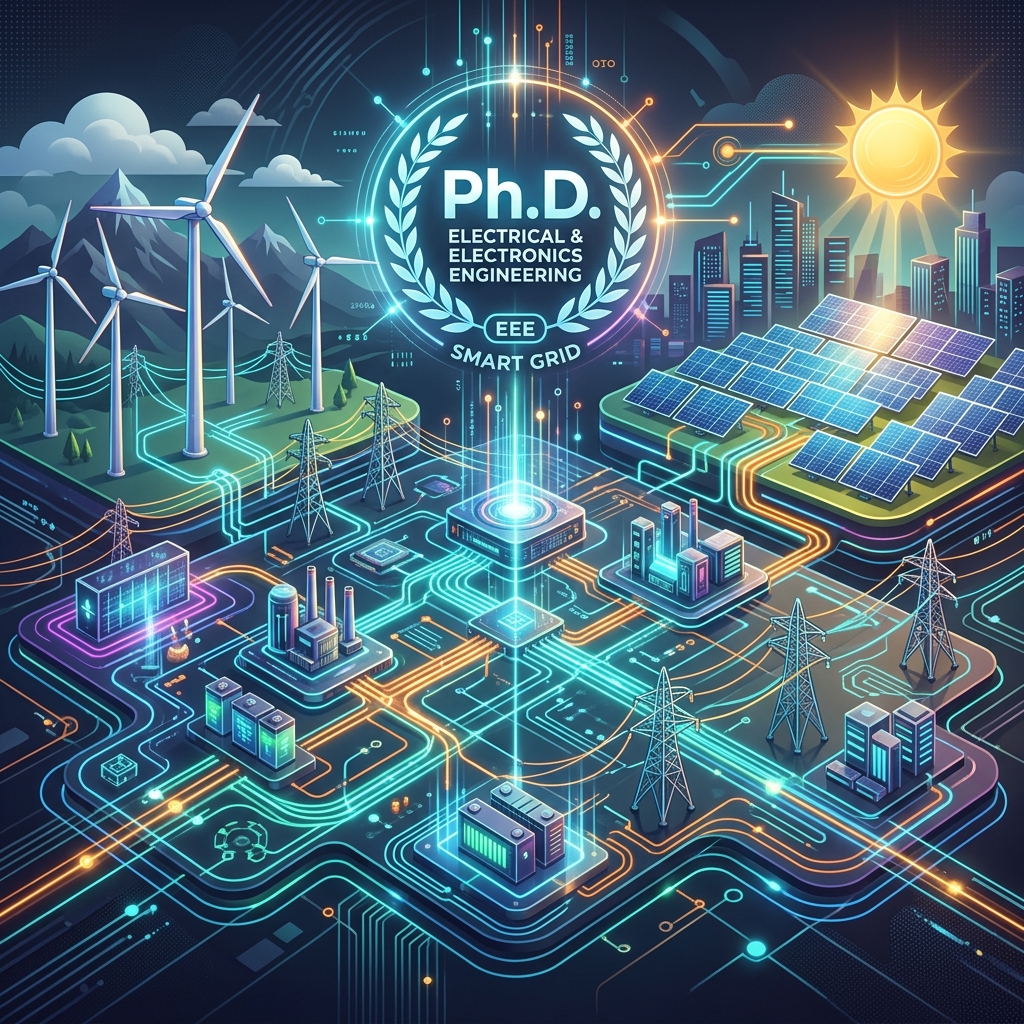
Electrical and Electronics Engineering (Ph.D)
Use your advanced research skills to further the growth and development of electronics and communications engineering. You will join an active research community and work with academics, peers and partner organisations who have demonstrated research success in a range of specialities.
Know MoreIndustry Partnerships







Professional Societies
Our department hosts active student chapters of prestigious national societies, providing a platform for networking, skill development, and professional growth.
EEE Electroz
'The Electrical and Electronic Engineers Students' Association named 'ELECTROZ' is responsible for organizing events, workshops, etc in the institute on behalf of the EEE department. It has successfully organized many field trips to gain practical experience and to foster a deeper learning and understanding of the theoretical concepts. It provides an opportunity for students to take the responsibility of organizing and managing technical symposiums. It paves a way to self analyze, develop and provides a chance to work with diversified groups.
Explore Chapter
IAEMP
The Indian Association of Energy Management Professionals (IAEMP) holds significant relevance to the Electrical and Electronics Engineering (EEE) department of college associations. IAEMP collaborates with EEE departments in various educational institutions across India to enhance energy efficiency knowledge and practices. This partnership provides students and faculty valuable resources, workshops, and networking opportunities to deepen their understanding of energy management and sustainability. IAEMP's contributions to the EEE department foster the development of future professionals well-versed in energy conservation, renewable energy, and efficient electrical systems, thereby contributing to India's energy security and sustainable development goals. It exemplifies the synergy between academia and industry in advancing energy management within the EEE domain.
Explore Chapter
IEEE Student Branch
Dr.N.G.P. Institute of Technology has inaugurated the IEEE student branch in the month of July, 2010. Since its inception the student branch has organized many inter and intra college competitions and activities like Project Design Contest, Technical Quiz, Seminars and Guest lectures. Women in Engineering- The IEEE Affinity group has also organized many health care and awareness camp exclusively for women students which has sown the seed for developing healthy and energetic mind among the budding engineers. Apart from organizing events the student branch has also participated in various national and International Level competitions conducted by IEEE and the students have brought laurels to this institution. The branch has also received the Best Student Branch award consecutively SINCE 2010 as an appreciation for being active volunteering ourselves in all the events of the International Society. Our Student branch counselor has also elevated as a Senior Member of IEEE. WIE affinity group received a cash of hundred dollars for its achievements. Our IEEE student branch received certificate of appreciation for scoring top rank in IEEE Xtreme contest towards the advancement of IEEE and engineering professions during the year 2014, 2015 & 2016. Our Student branch counselor received certificate of appreciation for being volunteered as a proctor to guide and oversee competing teams in IEEE Xtreme 7.0, IEEE Xtreme 8.0, IEEE Xtreme 9.0, IEEE Xtreme 10.0& IEEE Xtreme 11.0 Programming Competitions. Our IEEE student branch received Certificate of appreciation from IEEE Madras Section for hosting 28 teams in "IEEE Xtreme Programming Competition 10.0
Explore Chapter
Industry Projects
Students of Dr.N.G.P. Institute of Technology, Collaborate on real-world projects. We partner our students with leading corporate, community and government organisations to create innovative solutions to complex issues.
Preview Our Projects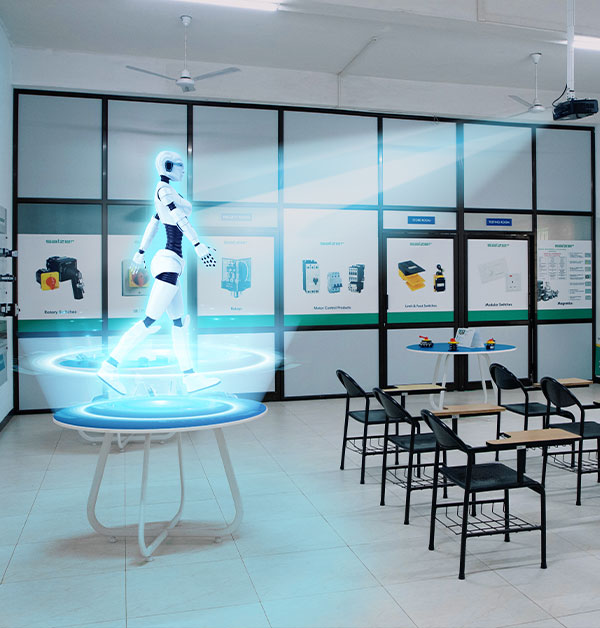
Learning Environment
Dr. NGP Institute of Technology is a multi-campus learning environment offering programs in different locations.

Hear from our Alumni
Listen to our alumni talk about their degree and life at Dr. NGP Institute of Technology, Coimbatore.
Campus life
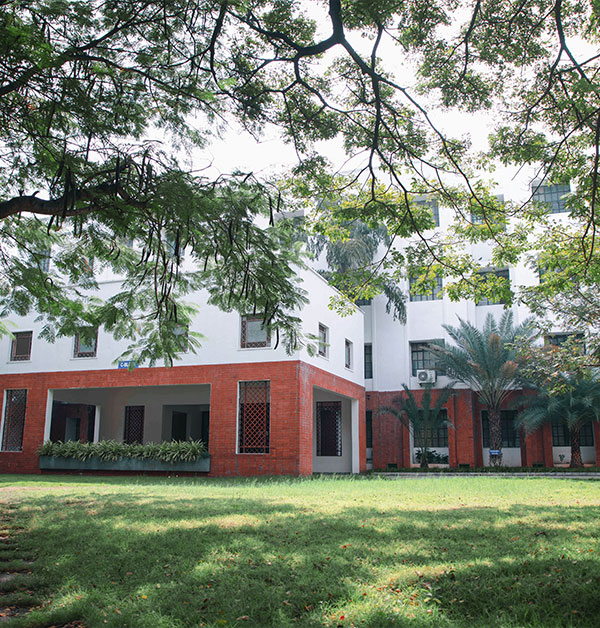
Our campuses are a rich, vibrant and have lots of activity where there is always something going on. Find out what activities you can take part in NGPiTECH

Scholarships
Find out the range of scholarships available when you study at Dr. N.G.P. Institute of Technology

Book a campus tour
Explore NGPiTECH campus by yourself. We offer walking tours and virtual tours online. You can explore Key locations, Laboratories, Learning Hubs, Sporting Areas and Hostel faciliteis.

Sporting Arena
We provide a range of sports facilities Inside the campus. World class Sporting facilites at NGPiTECH Helps student to pursue their dream Career in sports.

Industry Collaborations
With over 50+ industry tie-ups and partnerships learning is always collaborative and realtime at NGPiTECH